Timber transformation
Tiwi forestry project is delivering training, jobs, and growth.
A First Nations-led plantation forestry project that has planted more than two million seedlings in its first year is delivering training opportunities, local jobs and ongoing economic benefits to the Tiwi Islands people.
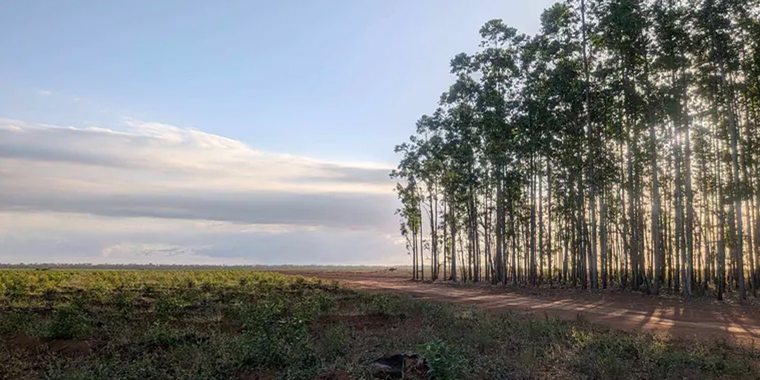
The carbon plantation project exceeded its first-year planting target by more than 20%, with 1798 hectares planted on Melville Island since January 2026, marking an important step in the development of sustainable forestry on the Tiwi Islands.
As well as supporting training, employment opportunities and economic activity for Traditional Owners, the project is building a future source of Australian Carbon Credit Units (ACCUs), expected to be available from 2027. The project is expected to generate approximately five million ACCUs under the Plantation Forestry (schedule 1) methodology over its lifetime in addition to 12 million m3 of high-value wood products.
The project’s benefits are already flowing through to the local economy, with Tiwi workers representing almost 60% of the workforce, contributing more than 33,000 work hours and earning more than $1.4 million in direct wages. It also delivered 196 formal Tiwi training sessions, supporting pathways into long-term roles in forestry, fire management and land stewardship.
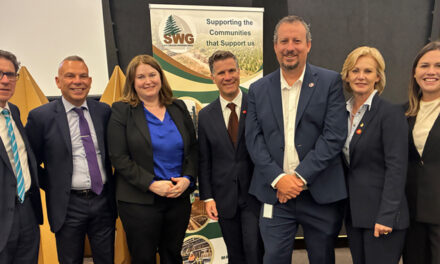
The Clean Energy Finance Corporation (CEFC) has committed $40 million alongside a $41 million investment from River Capital to finance the planting and operation of the estate. CEFC CIO – Investment Alternatives Rory Lonergan said: “The first-year progress of this project demonstrates how investment in natural capital can deliver practical outcomes on the ground, from large-scale plantation establishment to jobs, skills and direct economic benefits for Tiwi communities. This is the kind of achievement that improves investor confidence in the long-term potential of plantation forestry to support high-integrity carbon abatement, sustainable timber supply and First Nations economic participation.”
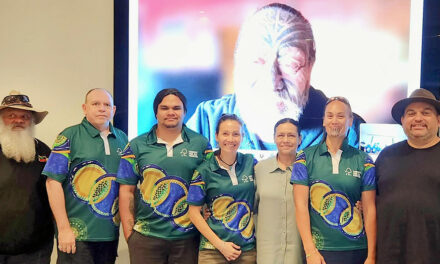
Tiwi Plantations Corporation chairman, Gibson Farmer Illortaminni said: “Tiwi people have always worked with wood for our culture, tools and fire. We’ve had forestry trials and plantations on the Tiwi Islands since the 1960s. We are really proud and happy to now be seeing the Eucalyptus pellita being planted. We’ve worked hard for this and we are creating jobs for our people here at home for the next 35 years.”
Tiwi Plantations is 100% owned by the Tiwi people, making the project Australia’s largest First Nations-led carbon project. Plantation and carbon management company Midway is partnered with Tiwi Plantations to manage the carbon forestry operations, including the plantation establishment, carbon registration, ongoing forestry management and marketing of ACCUs generated by the project.
Midway Limited CEO and managing director Tony McKenna said: “This is a significant long-term investment in the future of the Tiwi Islands: in people, skills, economic opportunity and regional resilience. We are incredibly proud to partner with the Tiwi people and Tiwi Plantations Corporation to deliver a high-quality, sustainable plantation and carbon project at significant scale. The outstanding first-year results demonstrate the capability of our team and give us great confidence in the long-term benefits and opportunities this investment will deliver for the Tiwi people.”
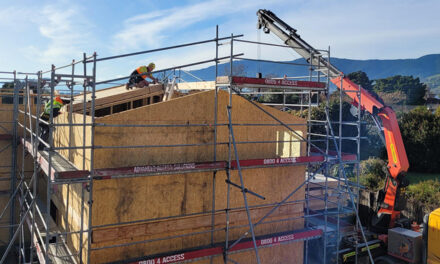
As planting activities continue, the project is expected to play an increasing role in Australia’s natural capital investment landscape, with a strong focus on ACCU delivery, First Nations economic empowerment, and community outcomes. Forecast to increase Australia’s total plantation area by around 2%, the plantations will also support meeting international demand for high-quality timber products for construction, as well as reducing reliance on native forests.
The story doesn’t end with these successes. Lessons learned from the Tiwi Plantations project are informing researchers and community development practitioners who are working with Aboriginal and rural communities across Northern Australia to document best practice forestry plantation establishment practices and develop a Northern Forestry Industry Growth Model.
Community based workshops, key stakeholder interviews, and historic industry analysis will be used to identify key forestry industry challenges and devise high-level industry development strategies.
This, alongside the existing trials of eucalypt species and hybrids and testing programs to ensure genetic improvement through selective breeding already underway by Tiwi Plantations Corporation, points to a very strong future for the Northern Australian timber industry.